
You meticulously clean your San Diego home, right? You dust, you vacuum, you open the windows for that "fresh air" feel. But what if the air you breathe every single day is secretly teeming with silent, invisible threats, turning your personal oasis into a toxic trap?
Forget the scary stories of outdoor smog for a moment. We're talking about a very real, very present danger composed of mold spores, volatile organic compounds (VOCs), pet dander, and other microscopic invaders. These aren't just minor irritants; they're stealthy aggressors that can trigger unexplained headaches, chronic fatigue, allergies, and even more serious respiratory problems for you and your loved ones.
Most San Diegans have no idea these silent threats even exist, let alone how to fight them. But before you can declare war on an unseen enemy, you need to know exactly what you’re up against and where it’s hiding. Keep reading to discover how to identify these airborne villains and reclaim the pure, healthy indoor air your family deserves.
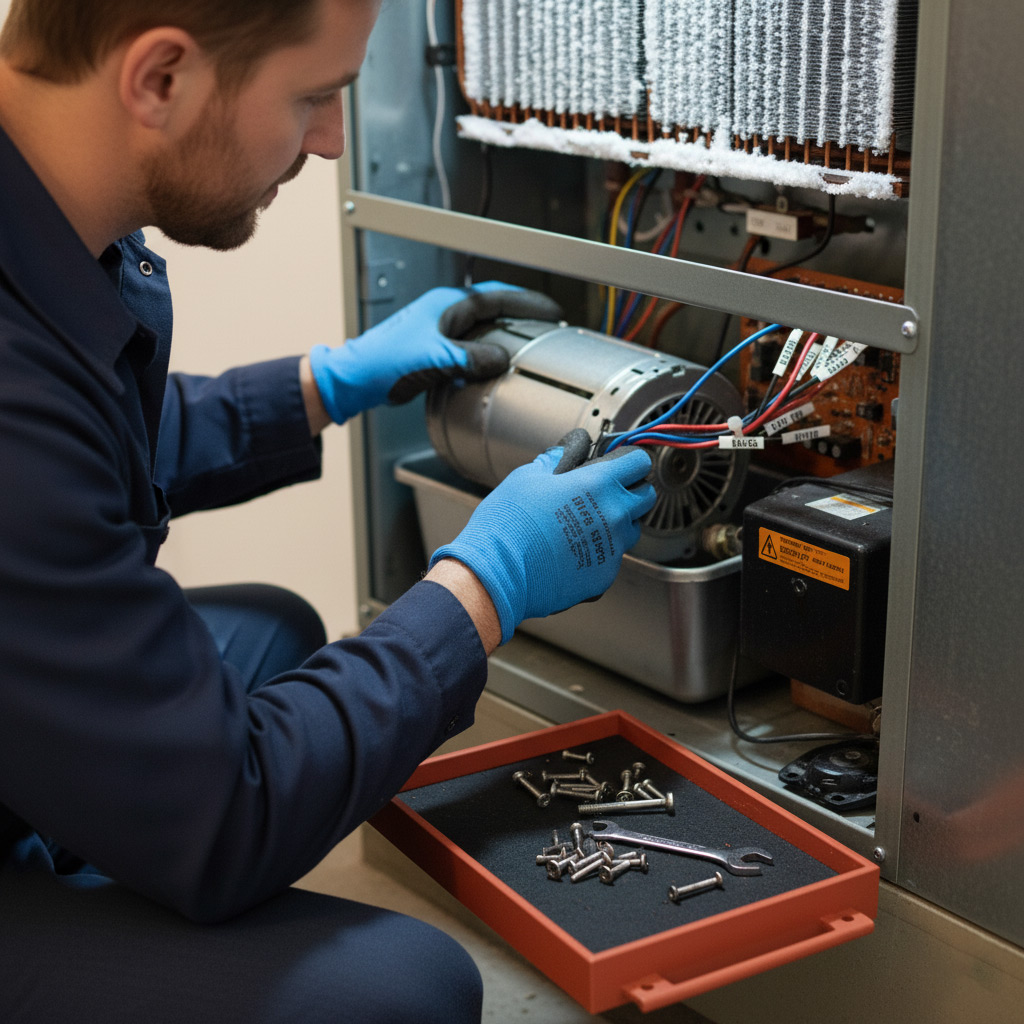
Identify the Enemy: Unmasking San Diego's Invisible Indoor Air Pollutants
The enemy isn't always something you can see, smell, or even immediately feel. It's often microscopic, insidious, and constantly circulating in your San Diego home. We're talking about a cocktail of contaminants that scientists confirm are often two to five times higher indoors than out.
This isn't just about common dust bunnies. These are genuine threats to your health and comfort, tirelessly attacking your immune system. You might be experiencing symptoms for years, never realizing the true source is the very air inside your home.
The Usual Suspects Lurking in Your Air
What exactly are these silent invaders? They range from biological nasties to chemical compounds. Consider:
- Mold Spores: Thriving in San Diego's varying humidity, especially in bathrooms, kitchens, or after any unnoticed water intrusion. These microscopic fungi release spores that can severely impact health.
- Volatile Organic Compounds (VOCs): Released from everyday items like paints, cleaning products, new furniture, and even some air fresheners. These chemicals off-gas directly into your breathing space.
- Pet Dander & Dust Mites: Even the cleanest homes host these common allergens. They float easily, settling on surfaces and becoming part of the air you constantly inhale.
- Pollen & Outdoor Pollutants: Despite being "indoors," these external elements infiltrate through open windows, doors, and even on your clothes, contributing to the indoor toxic mix.
- Bacteria and Viruses: Can circulate and thrive in poorly ventilated homes, particularly during colder months or allergy seasons.
Each one represents a unique threat, and often, several are present simultaneously. Without a clear picture of which contaminants are actively attacking your indoor environment, you’re fighting a shadow war you can't win.
The first step to reclaiming your sanctuary is simple: identification. You can't fix what you don't know is broken, or what you can't even see.
Beyond Sniffles: The Alarming Health Impacts of Poor Indoor Air Quality
You might dismiss that nagging cough, persistent headaches, or endless fatigue as just another San Diego allergy season or a bit of stress. But here’s the unsettling truth: many common ailments are directly linked to the invisible toxins circulating inside your home, turning your sanctuary into a silent threat to your well-being.
This isn't just about a minor sniffle. The constant bombardment from mold spores, volatile organic compounds (VOCs), dust mites, and pet dander initiates a systemic attack on your body. These stealthy aggressors manifest in ways that are often overlooked or misdiagnosed, significantly degrading your quality of life. Consider the severe impacts:
- Chronic Headaches & Migraines: Persistent exposure to VOCs and certain molds often triggers debilitating daily head pain.
- Unexplained Fatigue & Brain Fog: You feel perpetually drained and struggle to focus because toxic air disrupts sleep and reduces oxygen intake.
- Worsening Allergies & Asthma: Unseen allergens intensify existing conditions, while mold spores can even cause new sensitivities and severe respiratory distress.
- Skin Rashes & Eye Irritation: Microscopic particles and chemical fumes lead to persistent dry eyes, itching, and unexplained skin outbreaks.
- Increased Susceptibility to Illness: A compromised respiratory system struggles to fight off viruses, leaving you more prone to colds, flu, and bronchitis.
For children, the elderly, and individuals with pre-existing health conditions, these indoor air pollutants pose an even graver risk, challenging their developing lungs or weakened immune systems. Over time, this constant exposure doesn’t just cause discomfort; it can lead to chronic inflammatory responses, long-term respiratory damage, and contribute to more serious health complications. Don't let your home silently undermine your family's health.

San Diego's Unique Climate & Lifestyle: A Recipe for Indoor Air Issues?
Humidity & Mild Temperatures: The Unseen Invitation for Mold
That legendary San Diego weather? It's a double-edged sword when it comes to your indoor air quality. Our coastal proximity means elevated humidity, especially during those famous "May Gray" and "June Gloom" months. This consistent moisture, often trapped inside, creates the perfect breeding ground for mold and mildew. These aren't just unsightly; their spores release microscopic toxins that irritate airways and can trigger serious health problems.
The Open-Window Dilemma: Bringing the Outside In
You love to open the windows and let that ocean breeze flow through your home. We all do! Unfortunately, this seemingly innocent act can introduce a whole host of outdoor pollutants directly into your living space. We're talking about everything from potent allergens like pollen and dust to vehicle exhaust and industrial emissions, all freely circulating within your walls. That fresh air feeling might be bringing more than just a breeze.
San Diego's Lifestyle: Tracking Toxins Indoors
Our active, outdoor-centric San Diego lifestyle also plays a significant role. From beach sand to hiking trail dust, we constantly track external particles and allergens indoors. Many charming San Diego homes, particularly older builds, also lack adequate ventilation, turning them into sealed containers for these accumulating pollutants. This combination of incoming contaminants and poor air exchange creates a potent mixture, trapping harmful substances and allowing them to concentrate to dangerous levels right where you live.
Shining a Light on the Unseen: The Essentials of Professional Air Quality Testing
You can't fight what you can't see, right? Most of the dangerous invaders we're talking about – mold spores, VOCs, ultra-fine particulates – are completely invisible. Your eyes, nose, and even your "gut feeling" simply aren't equipped to detect them at harmful levels. This is precisely why professional air quality testing isn't just a recommendation; it's a critical first step in securing your home's health.
Think of it like getting a thorough diagnosis from a specialist, not just guessing. Our certified technicians use specialized equipment that goes far beyond what a DIY kit can offer. We're talking about advanced particle counters, sensitive VOC meters, and precise mold spore collection devices that analyze your air for a wide spectrum of common and uncommon pollutants. We don't just "check for stuff"; we conduct a detailed forensic examination of your home's air profile.
The result? Not vague guesses, but actionable data. This comprehensive testing reveals exactly what toxins are present, where they're concentrated, and often, what their source might be. Knowing the enemy's precise identity and location means we can then develop a targeted, effective strategy to eliminate it, rather than just throwing solutions at a wall and hoping something sticks.
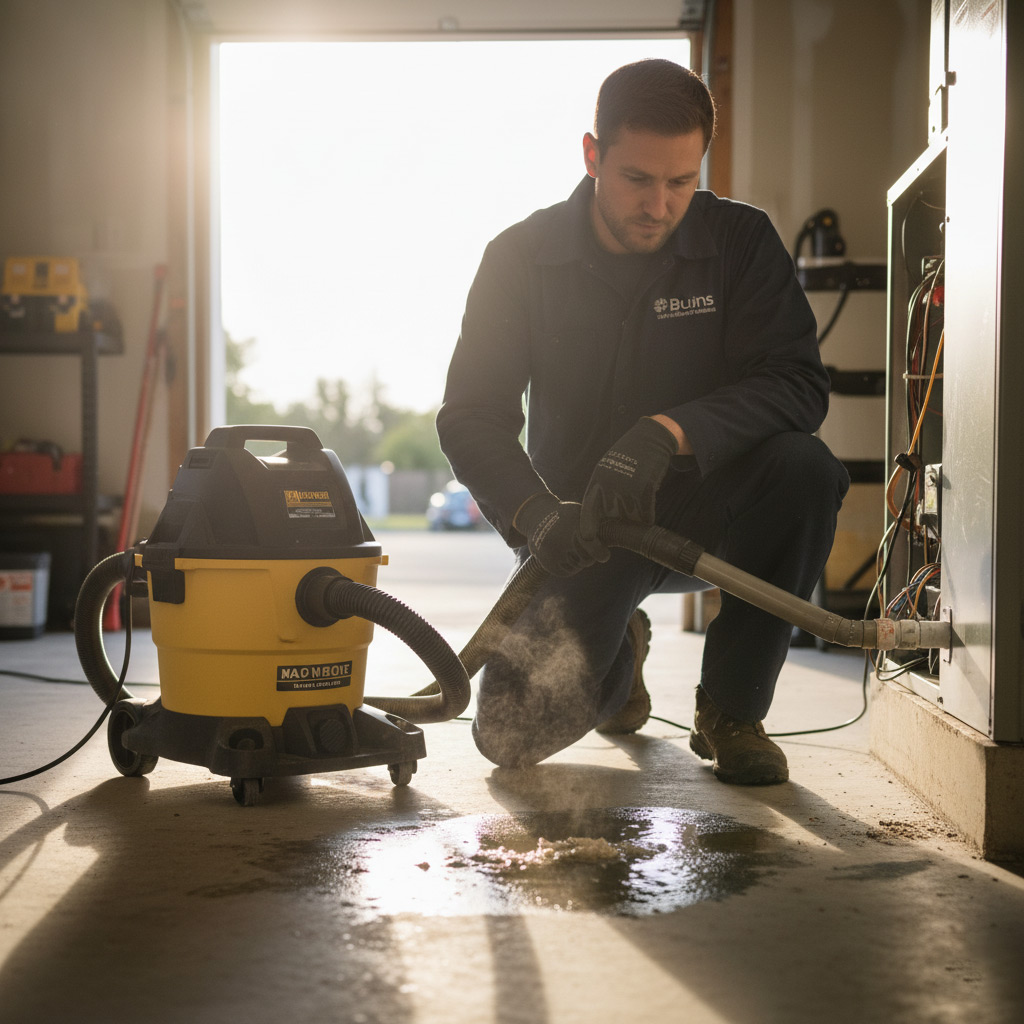
From Problem to Purity: Implementing Effective Indoor Air Solutions for Your Home
Once your professional air quality test pinpoints the exact airborne enemies lurking in your San Diego home, it’s time to move beyond diagnosis and into decisive action. This isn't about temporary fixes; it's about systematic elimination and prevention to restore your living space to a true sanctuary.
The first crucial step is often source control. If mold is identified, professional remediation is non-negotiable to remove the colonies and repair any underlying moisture issues. For VOCs, it means identifying and removing the specific products or materials releasing those harmful gases – think older furniture, certain paints, or even cleaning supplies.
Upgrading Your Home’s Defenses: Advanced HVAC Solutions
-
Advanced Filtration Systems: Ditch the flimsy filters. Upgrading to a MERV 11 or higher filter can capture significantly more microscopic particles, including pet dander, pollen, and even some bacteria and mold spores.
-
Whole-Home Air Purification: These aren't just room purifiers. Installed directly into your HVAC system, they actively scrub the air circulating throughout your entire home, often using technologies like HEPA filtration, activated carbon, or even ionization.
-
UV Germicidal Lights: Positioned within your ductwork or near the evaporator coil, these powerful lights can neutralize airborne pathogens like viruses, bacteria, and mold spores as they pass through your system, preventing them from recirculating.
-
Improved Ventilation Strategies: Sometimes, the problem is simply stagnant air. Enhanced ventilation, like energy recovery ventilators (ERVs), can bring in fresh outdoor air while expelling stale indoor air, all without compromising your home's energy efficiency.
Implementing these solutions transforms your HVAC system from a simple temperature regulator into a robust, active defender of your indoor air quality. It's an investment in your family's health and comfort, ensuring that the air you breathe is as clean and pure as the San Diego ocean breeze you crave.
Case Study: Transforming a La Jolla Home's Indoor Air Quality
It’s easy to think a beautiful La Jolla home, nestled by the ocean, would naturally have pristine air. But for the Miller family, constant congestion, persistent headaches, and a lingering musty smell told a different story. They were tired of feeling unwell in their own sanctuary, suspecting something more sinister than just seasonal allergies. That's when they decided it was time to stop guessing and get answers.
Our team conducted a comprehensive indoor air quality assessment at their La Jolla property. What we found was startling, confirming their suspicions. The sophisticated testing revealed a hidden brew of problems:
- Elevated Mold Spore Counts: Tucked away behind a bathroom wall, thriving in moisture.
- High VOC Levels: Off-gassing from recently purchased, fashionable furniture.
- Abundant Pet Dander: Despite regular cleaning, their beloved golden retriever's dander was circulating far too freely.
This wasn't just an inconvenience; it was a clear health risk, confirming the "San Diego plague" was very much present in their beautiful home.
Armed with precise data, we developed a targeted action plan. This included professional mold remediation, implementing a high-efficiency particulate air (HEPA) filtration system integrated into their existing HVAC, and advising on natural ventilation strategies. Within weeks, the transformation was undeniable. The Millers reported sleeping better, experiencing fewer headaches, and that persistent stuffy feeling was gone. Their La Jolla home truly became the healthy sanctuary they always envisioned, all thanks to taking decisive action.
Final Words: Reclaiming Your San Diego Sanctuary with Pure Air
After uncovering the stealthy enemies hidden within your San Diego home, one truth remains undeniable: your personal space deserves to be a true sanctuary. It’s where memories are made, where you relax, and where your family thrives. Don’t let invisible pollutants chip away at that fundamental right to a healthy, safe environment.
The good news? Reclaiming your pure air is not a pipe dream. It starts with awareness, moves to diagnosis, and culminates in effective action. Professional air quality testing is your first, most critical step in this battle, offering the clarity you need to expose the unseen. Imagine the peace of mind knowing exactly what you're breathing.
Your San Diego home can be free from the indoor air plague we’ve discussed. By identifying and eliminating these hidden toxins, you’re investing in more than just cleaner air; you’re investing in your family’s long-term health, comfort, and vitality. Don't just clean the surfaces; purify the very air you live in.
People Also Ask
What are common indoor air pollutants found in San Diego homes?
San Diego homes can harbor pollutants like mold spores from the region's humidity, pet dander, volatile organic compounds (VOCs) from household products, and particulate matter from wildfire smoke or urban pollution. These invisible toxins can significantly degrade your home's air quality.Why is indoor air quality a particular concern for San Diego residents?
San Diego's coastal humidity, coupled with energy-efficient, tightly sealed homes, creates ideal conditions for mold growth and pollutant buildup. Additionally, the prevalence of wildfires and urban smog can introduce external pollutants indoors, especially when windows are open, making the issue unique to the region.How do I know if my San Diego home needs professional air quality testing?
You should consider professional air quality testing if residents experience persistent allergy-like symptoms, notice unexplained musty odors, or have recently undergone renovations. Visible mold growth or proximity to busy roads or industrial areas also indicate a potential need for evaluation.What does a professional indoor air quality test in San Diego typically involve?
A professional indoor air quality test involves taking air samples, surface samples, and conducting visual inspections to identify pollutants like mold spores, allergens, and VOCs. Experts use specialized equipment to detect and quantify harmful contaminants, providing a detailed report of your home's air health.What are the health risks associated with poor indoor air quality?
Poor indoor air quality can lead to a range of health issues, including respiratory problems like asthma and allergies, headaches, fatigue, and irritated eyes, nose, and throat. Long-term exposure to certain pollutants can even contribute to more severe conditions like heart disease and cancer.
San Diego HVAC offers experienced HVAC services for residential and commercial properties throughout the region. Their team provides reliable climate control solutions, grounded in a deep understanding of local needs. Dedicated to the San Diego community, they focus on delivering efficient and effective comfort year-round.
Need HVAC?
We deliver rapid, effective solutions, ensuring your operational continuity across San Diego and surrounding communities (92101, 92109, 92103, 92037, 92024).
Calculate Quote